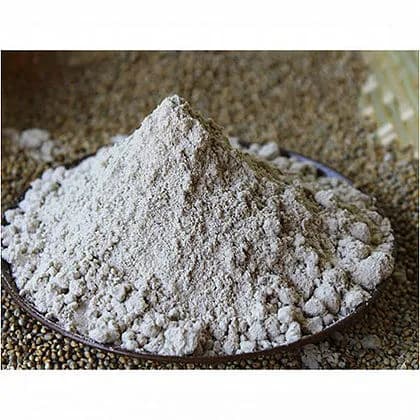
Fapar Ko Pitho: Benefits, Roti Recipe, English Meaning & More
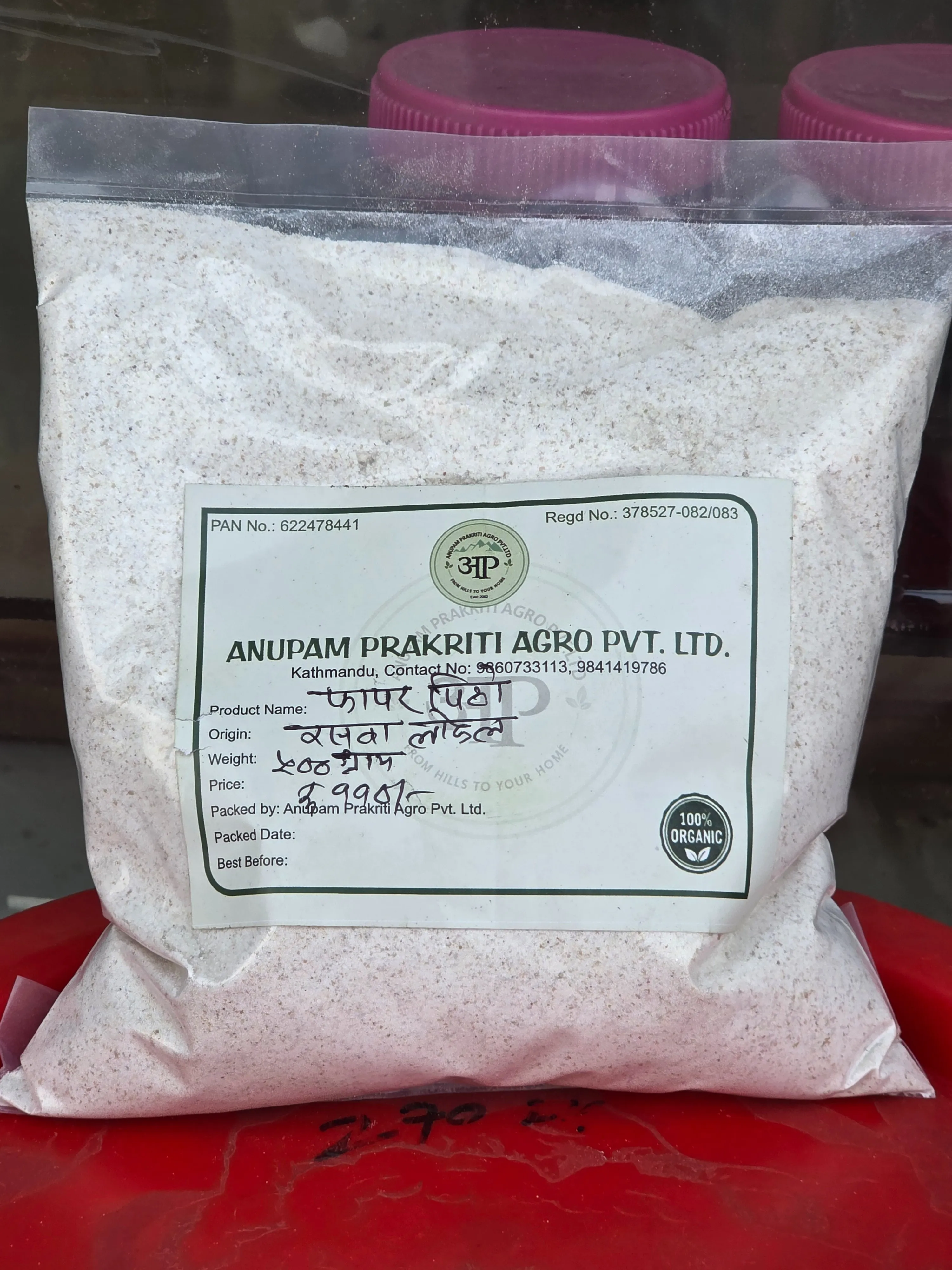
Fapar is a traditional grain that has been part of Nepali food culture for generations. Its flour, commonly known as fapar ko pitho, is especially popular for making traditional fapar ko roti and other homemade foods.
But what exactly is fapar? What is fapar in English? What is fapar flour used for, and how do you make a good fapar ko roti? This guide covers everything you need to know about this traditional Nepali grain and its flour.
What Is Fapar?
Fapar is the Nepali name commonly used for buckwheat, a grain-like seed used in traditional foods. It is especially familiar in the hilly and Himalayan regions of Nepal.
Fapar is commonly ground into flour and used to prepare roti, pancakes and other traditional recipes. Because it has a distinctive earthy flavour, fapar ko pitho can give homemade food a taste that is quite different from ordinary wheat flour.
Fapar in English: What Is It Called?
The English name for fapar is buckwheat. Therefore, fapar ko pitho in English can be translated as buckwheat flour, or simply fapar flour.
You may therefore see this traditional flour described online using terms such as fapar flour in English, buckwheat flour, or buckwheat meal.
What Is Fapar Ko Pitho?
Fapar ko pitho is flour made by grinding buckwheat seeds. It has a naturally earthy taste and is widely used in traditional recipes. The flour can be used on its own or combined with other flours depending on the recipe and the texture you want.
If you enjoy traditional Nepali food, fapar ko pitho is an easy ingredient to add to your kitchen. It works particularly well in homemade fapar ko roti.
Benefits of Fapar
Fapar is valued as a wholesome traditional grain and can be a useful addition to a varied diet. It naturally provides carbohydrates, fibre and plant-based nutrients.
- Contains dietary fibre
- Provides plant-based nutrients
- Can be used as an alternative to common grain flours
- Works well in a variety of traditional recipes
- Has a naturally distinctive earthy flavour
The nutritional value of any prepared fapar dish will depend on the recipe, portion size and ingredients used. Fapar should be enjoyed as part of a balanced and varied diet rather than treated as a cure or medicine.
Fapar Ko Roti: A Simple Traditional Recipe
Fapar ko roti is one of the easiest and most popular ways to use fapar ko pitho. The exact preparation can vary from family to family, but the basic process is simple.
Ingredients
- Fapar ko pitho
- Water
- A little salt, according to taste
- Oil or ghee for cooking, if preferred
How to Make Fapar Ko Roti
- Place the fapar ko pitho in a mixing bowl.
- Add a little salt if desired.
- Gradually add water and mix until you get a soft dough or batter suitable for your preferred style of roti.
- Shape the mixture carefully into a flat roti.
- Heat a pan and cook the roti on both sides.
- Add a small amount of ghee or oil if desired.
- Serve warm with vegetables, achar, dal or your favourite side dish.
Because fapar flour behaves differently from wheat flour, the amount of water and the cooking method may need a little adjustment. Once you find the consistency you like, making fapar ko roti becomes much easier.
How Many Calories Does Fapar Ko Roti Have?
People often search for fapar ko roti calorie information when adding traditional grains to their diet. The exact calories in a fapar ko roti depend on the amount of flour used and whether oil, ghee or other ingredients are added during cooking.
A plain roti made with fapar flour will naturally have a different calorie content from one cooked with a generous amount of ghee or oil. For accurate calorie tracking, the ingredients and portion size should be considered together.
Fapar Ko Pitho Price in Nepal
The fapar price in Nepal and fapar ko pitho price in Nepal can vary depending on the source, quality, processing, season and package size.
If you are looking for authentic fapar ko pitho, choosing a reliable source is important. You can check the current product price, available package sizes and ordering options directly from Anupam Prakriti .
Fapar Plant: Where Does Fapar Come From?
The fapar plant is the plant from which buckwheat seeds are harvested. After harvesting and processing, the seeds can be used as a food ingredient or ground into flour.
In Nepal, fapar has traditionally been associated with farming communities in the hills and higher-altitude regions. Its ability to grow in cooler conditions has made it an important traditional crop in several areas.
Fapar Ko Bot: What Does the Plant Look Like?
When people search for fapar ko bot, they are usually looking for information about the buckwheat plant itself. Fapar plants are herbaceous plants that produce small flowers and triangular seeds.
Those seeds are the part commonly processed and ground to make fapar ko pitho.
Fapar Ko Saag in English
Another traditional term people may come across is fapar ko saag. Depending on the region and preparation, young buckwheat greens can be cooked as a leafy vegetable.
In English, this can generally be described as buckwheat greens or buckwheat leaves. The exact preparation and terminology can vary between regions of Nepal.
Fapar and Kodo Difference
Fapar and kodo are both traditional grains used in Nepal, but they are not the same crop.
| Fapar | Kodo |
|---|---|
| Commonly known as buckwheat | Commonly known as finger millet |
| Often ground into fapar ko pitho | Often ground into kodo ko pitho |
| Commonly used for roti and other dishes | Used in traditional foods and beverages |
| Has its own distinctive earthy flavour | Has a different flavour and texture |
So, although both are traditional Nepali grains, fapar and kodo should not be treated as the same ingredient.
Other Ways to Use Fapar Pitho
Fapar flour is not limited to roti. Depending on your recipe, you can experiment with it in different homemade dishes.
- Fapar ko roti
- Traditional pancakes
- Homemade savoury dishes
- Mixed-flour recipes
- Other traditional Nepali preparations
Some people also experiment with fapar momo or use buckwheat flour in modern recipes. The final texture can vary considerably, so it is often useful to combine fapar flour with other ingredients when trying a new recipe.
Is Fapar a Good Traditional Grain to Add to Your Kitchen?
If you enjoy traditional Nepali ingredients and want to explore alternatives to ordinary wheat-based foods, fapar is worth trying. Its unique flavour and versatility make it useful for both traditional recipes and creative home cooking.
For anyone specifically looking for fapar ko pitho, the quality and freshness of the flour matter. Proper storage in a cool, dry place can also help maintain its quality.
Where to Buy Fapar Ko Pitho in Nepal?
If you are searching for authentic fapar pitho in Nepal, you can explore the available traditional food products at Anupam Prakriti .
Choosing a trusted source makes it easier to know what you are buying and where your traditional food products come from.
Frequently Asked Questions About Fapar
What is fapar in English?
Fapar is commonly known as buckwheat in English. Therefore, fapar ko pitho is generally called buckwheat flour.
What is fapar ko pitho?
Fapar ko pitho is flour made by grinding buckwheat seeds. It is commonly used for traditional dishes such as fapar ko roti.
What is fapar ko pitho in English?
Fapar ko pitho in English is generally called buckwheat flour.
What is fapar ko roti?
Fapar ko roti is a traditional flatbread prepared using fapar ko pitho. It can be enjoyed with dal, vegetables, achar or other side dishes.
What is the price of fapar ko pitho in Nepal?
The price depends on the quality, source, processing method and package size. For the latest available price, check the product listing from the seller.
Is fapar the same as kodo?
No. Fapar and kodo are different crops. Fapar is commonly known as buckwheat, while kodo is commonly known as finger millet.
Final Thoughts
From traditional fapar ko roti to homemade recipes, fapar ko pitho is a simple way to bring a traditional Nepali grain into your kitchen. It has a distinctive flavour, is versatile in cooking, and has been part of food traditions in Nepal for generations.
If you are ready to try authentic fapar ko pitho, explore the available traditional Nepali food products at Anupam Prakriti .