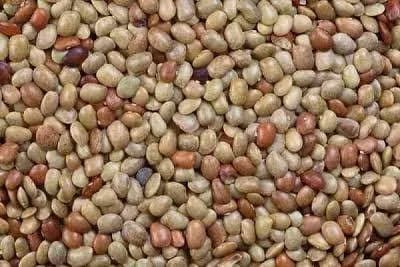
Gahat Dal Benefits: A Traditional Himalayan Protein-Rich Food
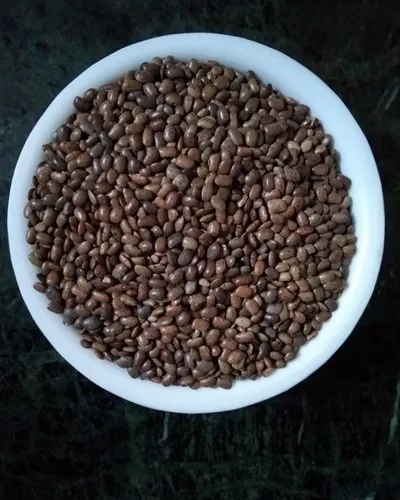
If you grew up in a Nepali household, chances are you have heard of gahat dal. Known for its distinctive earthy flavour and traditionally hearty character, gahat has been part of everyday hill cuisine in Nepal for generations.
But what exactly is gahat dal, what is gahat dal in English, and why is this traditional Nepali pulse getting more attention today?
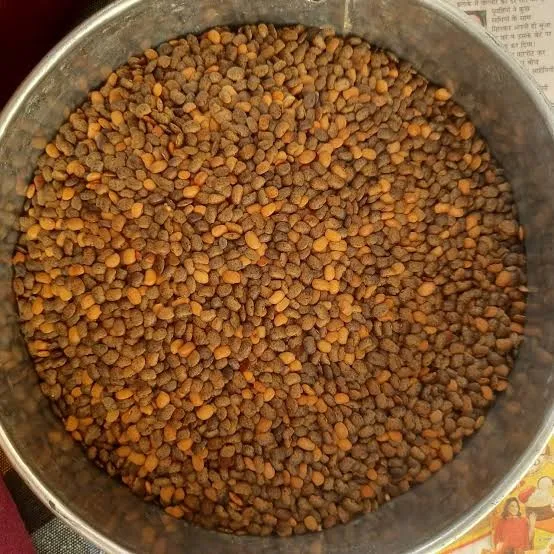
In English, gahat dal is commonly known as horse gram. It is a traditional legume used in many parts of Nepal and South Asia. In Nepali, it is commonly called गहत दाल or गहतको दाल.
This guide covers gahat dal benefits, nutrition, calories, traditional uses, cooking ideas, price in Nepal, and where you can find authentic gahat dal online.
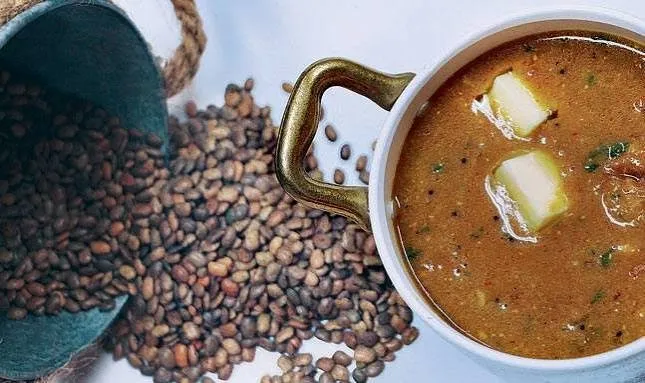
What Is Gahat Dal?
Gahat dal is a traditional pulse made from horse gram, a hardy legume that grows well in hilly and relatively dry regions. In Nepal, it has traditionally been valued as an affordable and filling source of plant-based food.
Unlike some commonly used lentils, gahat has a slightly stronger earthy taste and firm texture. It is often prepared as dal, soup, curry, or other traditional dishes depending on the region and household.
If you searched for “what is gahat dal” or “gahat dal meaning in English”, the simple answer is: Gahat dal = Horse Gram.
Gahat Dal in English, Nepali and Hindi
The name can vary depending on the language and region, which is why people often search for gahat dal in English, gahat dal in Hindi, or gahat dal in Nepali.
- Nepali: गहत / गहत दाल
- English: Horse gram
- Common English name: Horse gram dal
- Hindi: कुल्थी / कुलथ दाल
So if you see “horse gram” in an English recipe or food store, it generally refers to the same traditional pulse known as gahat in Nepal.
Gahat Dal Benefits
One reason gahat continues to be popular in traditional Nepali diets is its nutritional profile. Like other legumes, it provides plant-based protein, dietary fibre and several important nutrients.
1. A Plant-Based Source of Protein
One of the main benefits of gahat dal is that it provides plant-based protein. This makes it a useful addition to meals for people who include pulses and legumes as part of their regular diet.
It pairs particularly well with rice, roti, vegetables and traditional Nepali meals.
2. Naturally Rich in Dietary Fibre
Gahat is a whole legume, so it naturally contains dietary fibre. Including fibre-rich foods such as pulses, vegetables, fruits and whole grains can help make everyday meals more balanced and satisfying.
3. A Traditional, Filling Food
Gahat has traditionally been eaten in Nepal as a practical and filling food. Its firm texture and earthy flavour make it different from softer lentils such as masoor dal.
4. Fits Plant-Based Diets
Because gahat is a legume, it can be included in vegetarian and plant-based meal plans as a source of plant protein.
5. A Traditional Nepali Food
Beyond nutrition, gahat has cultural value. It is particularly associated with traditional food practices in Nepal's hill and mountain communities, where locally grown pulses have long been an important part of household meals.
Gahat Dal Calories and Nutrition
If you are searching for gahat dal calories, remember that the nutritional value of a prepared serving depends on how the dal is cooked and what ingredients are added.
Plain cooked gahat, for example, will have a different calorie profile from gahat dal prepared with oil, ghee, spices or other ingredients.
For a more accurate dietary calculation, check the nutrition information for the specific quantity and preparation method rather than relying on a single generic calorie number.
How to Cook Gahat Dal
Gahat takes longer to soften than some commonly used lentils, so soaking it before cooking is a popular traditional approach.
- Wash the gahat thoroughly.
- Soak it in clean water for several hours or overnight.
- Drain and rinse the soaked gahat.
- Cook it until the beans become tender.
- Add salt, turmeric and your preferred spices.
- Finish with a traditional tempering of oil or ghee, garlic, cumin or other spices according to taste.
Serve it hot with rice, roti, vegetables or achar for a simple Nepali-style meal.
Traditional Ways to Eat Gahat Dal
There is more than one way to enjoy gahat. Depending on the region and family recipe, it can be prepared as:
- Traditional gahat dal
- Gahat soup
- Gahat curry
- Gahat with rice and vegetables
- Gahat-based traditional soups and preparations
Its earthy flavour also pairs beautifully with Nepali spices and homemade achar.
Gahat Dal in Pregnancy: Is It Safe?
Gahat dal in pregnancy is a commonly searched topic. Gahat is a food ingredient and can be part of a varied diet, but pregnancy nutrition is individual and depends on a person's health, dietary needs and medical history.
If you are pregnant or planning a pregnancy, it is best to discuss your regular diet and appropriate portion sizes with your doctor or qualified nutrition professional, particularly if you have a specific medical or dietary concern.
This article is intended as general food information and is not a substitute for medical advice.
Gahat Dal Price in Nepal
The gahat dal price in Nepal can vary depending on its origin, quality, processing, packaging and where you purchase it. Locally sourced products may also have different prices depending on the farming region and season.
Instead of choosing gahat based only on price, look at its source, freshness, cleanliness and packaging as well.
Where to Buy Gahat Dal Online in Nepal?
If you're looking for gahat dal online, buying directly from a trusted Nepali food store can make it easier to check the product's source and availability.
At Anupam Prakriti Agro, you can explore traditionally sourced Nepali food products, including gahat dal and other local staples.
Shop Authentic Gahat Ko Daal →
Why Choose Gahat Dal from Anupam Prakriti?
For traditional Nepali food, the story behind the product matters. Gahat is not just another packaged pulse; it is a food that has been part of Nepali hill cuisine for generations.
At Anupam Prakriti Agro, our focus is on bringing traditional Nepali products closer to customers looking for authentic local food.
- Traditional Nepali food products
- Locally sourced products
- Carefully selected and packed food items
- A growing collection of Himalayan and Nepali staples
If you're interested in more than just gahat, you can also explore the complete collection of traditional and organic food products available through our online store.
Explore All Products at Anupam Prakriti Agro →
Other Traditional Nepali Foods You May Like
If gahat dal is the kind of traditional food you're looking for, there are plenty of other interesting Nepali staples worth exploring.
From traditional rice varieties and local grains to Himalayan spices, ghee, honey and regional pulses, our shop brings together a growing collection of products sourced from different parts of Nepal.
Looking for something new for your kitchen? Browse our complete organic and traditional food collection and discover products from across Nepal.
Gahat Dal vs Other Common Nepali Pulses
| Pulse | Common Character | Traditional Use |
|---|---|---|
| Gahat | Earthy flavour and firm texture | Dal, soup, curry |
| Masuro | Mild flavour and relatively quick cooking | Everyday dal |
| Mung | Light flavour and soft texture | Dal, khichadi, sprouts |
| Rajma | Rich flavour and firm texture | Curry and rice dishes |
Frequently Asked Questions About Gahat Dal
What is gahat dal in English?
Gahat dal in English is called horse gram. It is a traditional legume widely used in Nepal and other parts of South Asia.
What are the benefits of gahat dal?
Gahat is a legume that provides plant-based protein and dietary fibre and can be part of a varied, balanced diet.
What is gahat dal called in Hindi?
Gahat is commonly known as kulthi or kulath dal in Hindi.
How do you cook gahat dal?
Wash and soak the gahat before cooking. Once softened, cook it with water and traditional spices and finish with a tempering according to your preferred recipe.
What is the price of gahat dal in Nepal?
Gahat dal price in Nepal varies according to quality, origin, season, packaging and seller. Check the current product listing for the latest price.
Can I buy gahat dal online in Nepal?
Yes. Gahat dal is available through online Nepali food stores. You can check the current availability of Gahat Ko Daal from Anupam Prakriti.
Is gahat dal the same as horse gram?
Yes. Horse gram is the common English name for the pulse known as gahat in Nepal.
Bring Traditional Nepali Gahat to Your Kitchen
Gahat may be an old-fashioned ingredient, but that is exactly what makes it interesting. It represents the kind of traditional Nepali food that has remained part of local kitchens because it is versatile, satisfying and easy to combine with everyday meals.
Whether you were searching for gahat dal benefits, gahat dal in English, gahat dal calories, gahat dal price in Nepal, or simply wanted to know what gahat dal is, hopefully this guide gave you a useful starting point.
Ready to try it?
👉 Get Gahat Ko Daal from Anupam Prakriti Agro
Want to explore more authentic Nepali products? Visit our online shop and discover traditional grains, pulses, spices and other locally sourced products from Nepal.