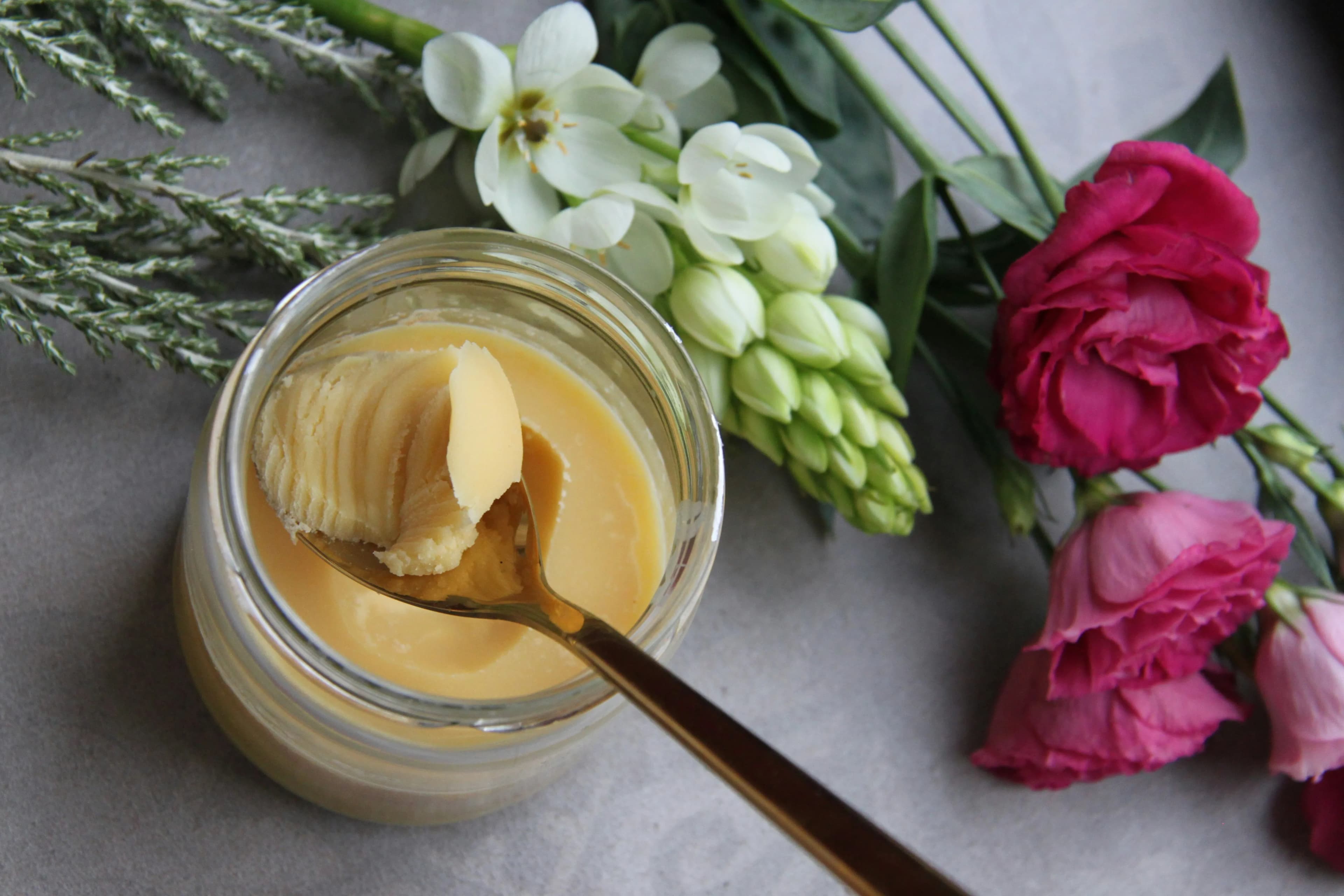
Ghee has been part of South Asian cooking for generations, and it is still a common ingredient in Nepali kitchens today. From adding a spoonful to dal and rice to using it in traditional recipes, ghee is valued for its rich aroma, taste, and versatility.
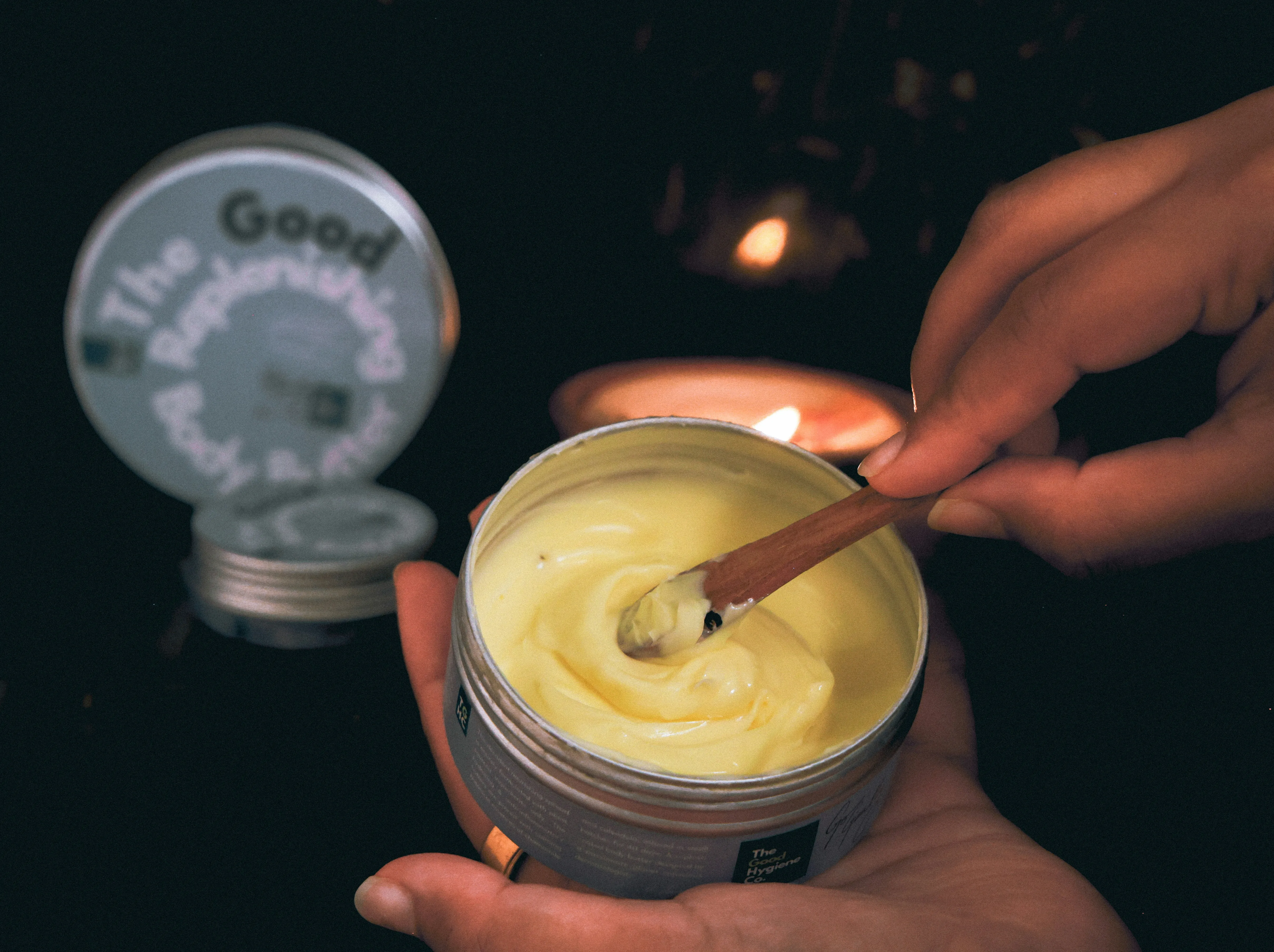
But there are many questions people ask before buying it: What is ghee called in English and Nepali? How much does ghee cost in Nepal? How many calories are in one spoon of ghee? Is butter the same as ghee? And what is the difference between cow ghee, nauni ghee, and vanaspati ghee?
This guide answers those questions in simple terms and helps you understand what to look for when buying good-quality ghee.
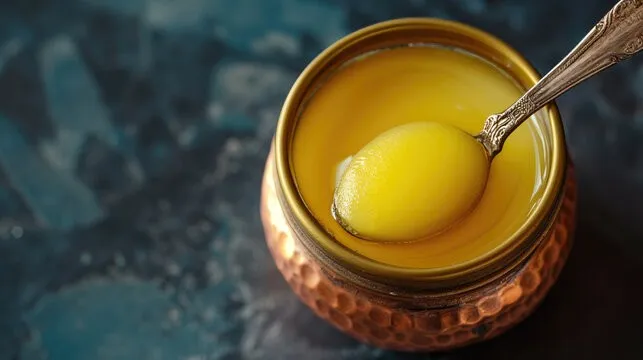
What Is Ghee?
Ghee is a type of clarified butter. It is made by heating butter and separating the milk solids and water from the butterfat. The result is a rich, golden fat with a distinctive aroma and a relatively long shelf life when stored properly.
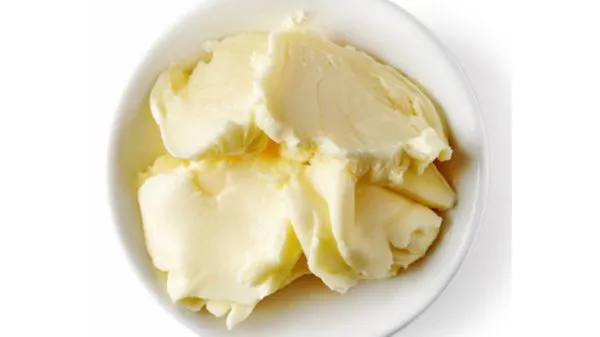
Ghee is commonly used for cooking, frying, sautéing, baking, and adding flavor to traditional foods. In Nepal, ghee is also closely associated with many traditional dishes and celebrations.
What Is Ghee in English?
If you searched for “ghee in English”, the word is actually still commonly called ghee in English. A simple description for it is clarified butter.
While butter and ghee are related, they are not exactly the same product. Ghee is made by removing most of the water and milk solids from butter.
What Is Ghee Called in Nepali?
Ghee is commonly called घ्यू (Ghyu) in Nepali. You may also see the word written as घिउ depending on the region and writing style.
Traditional Nepali ghee is often associated with dairy products made from cow or buffalo milk, although the exact source depends on the product.
Ghee Benefits
Ghee can be part of a balanced diet when consumed in appropriate amounts. Like other concentrated fats, it provides energy and also helps add flavor to meals.
1. Provides Energy
Ghee is energy-dense because it is almost entirely fat. A small amount can add significant calories to a meal.
2. Contains Fat-Soluble Vitamins
Depending on the milk source and processing method, ghee can contain small amounts of fat-soluble vitamins such as vitamins A and E.
3. Useful for Cooking
Ghee has a relatively high smoke point and is commonly used for cooking and sautéing. Its rich flavor also means that a small amount can make a noticeable difference to a dish.
4. Adds Flavor to Traditional Foods
From dal and rice to roti, khichdi and sweets, ghee can be used in many everyday and traditional recipes.
Ghee Calories
Because ghee is concentrated fat, it is relatively high in calories. The exact amount depends on the serving size.
As a general guide, one tablespoon of ghee contains roughly 120 calories, while one teaspoon contains around 40 calories. The exact value can vary slightly depending on the product and serving size.
How Many Calories Are in 1 Spoon of Ghee?
If by “one spoon” you mean one tablespoon, you can expect roughly 120 calories. If you mean a teaspoon, it is closer to 40 calories.
This is why portion size matters. Ghee can be part of a balanced diet, but adding large amounts can increase your overall calorie intake quickly.
Does Ghee Make You Fat?
Ghee itself does not automatically cause weight gain. Weight gain generally happens when you consistently consume more calories than your body uses.
Since ghee is calorie-dense, eating large quantities can contribute significant calories to your daily diet. If you're watching your weight, using a measured amount rather than pouring it freely over food is a simple approach.
Ghee Price in Nepal
The ghee price in Nepal varies considerably depending on the type of ghee, milk source, brand, quality, packaging, and quantity.
Cow ghee, buffalo ghee, traditional homemade-style ghee, and commercially processed ghee may all have different prices. Organic or locally sourced products can also have a different price compared with mass-market products.
1 Kg Ghee Price in Nepal
If you're searching for the 1 kg ghee price in Nepal, compare the price by weight rather than comparing package prices alone. A 500-gram package may look cheaper than a 1 kg package but may actually cost more per kilogram.
Prices also change over time, so check the current product listing before purchasing.
DDC Ghee Price in Nepal
DDC ghee is one of the commercially available ghee products in Nepal, and its price can vary depending on package size and the seller.
If you're specifically looking for the DDC ghee price in Nepal, it is best to check the current price from an authorized seller or current retail listing because prices can change.
Is Butter and Ghee the Same?
No. Butter and ghee are related, but they are not the same. Both are made from milk, but the processing is different.
| Butter | Ghee |
|---|---|
| Contains more water and milk solids | Most water and milk solids are removed |
| Usually softer and creamy | Usually more concentrated and aromatic |
| Commonly refrigerated | Has a relatively long shelf life when stored properly |
| Used for cooking, spreading and baking | Commonly used for cooking and traditional dishes |
Difference Between Butter and Ghee
The biggest difference is in how they are made. Ghee is produced by heating butter and removing water and milk solids. This gives ghee its characteristic aroma, texture, and cooking properties.
So if you are choosing between butter and ghee, the better option depends on what you are cooking and your personal dietary preferences.
Cow Ghee
Cow ghee is ghee made from cow's milk. It is widely used in Nepal and South Asia and is often valued for its traditional taste and aroma.
When buying cow ghee, check the product label for the milk source, ingredients, processing information, packaging, and seller details.
What Is Nauni Ghee?
Nauni ghee is a traditional type of ghee associated with Himalayan and mountain communities. Traditional preparation methods can involve churning cultured milk or butter before the ghee is produced.
Because traditional methods and terminology can vary between regions, it is useful to check how a particular seller defines and produces its nauni ghee.
Nauni Ghee in English
There isn't a separate direct English word for “nauni ghee.” It can generally be described as traditional ghee or traditionally prepared ghee, depending on the production method.
Ghee Color: What Color Should Ghee Be?
People often search for ghee color when trying to judge quality. Ghee can range from pale yellow to deeper golden yellow depending on the milk source, animal diet, preparation method, and heating process.
Color alone isn't enough to determine whether ghee is good or authentic. Aroma, texture, ingredients, source, packaging, and how it was produced are also important.
Dalda Ghee and Vanaspati Ghee: Are They the Same as Dairy Ghee?
This is an important distinction when shopping for ghee.
Traditional dairy ghee is made from milk-derived butter or cream. Vanaspati, on the other hand, is a vegetable-fat product and is not the same as traditional dairy ghee.
Dalda is a well-known brand associated with edible oils and vanaspati products in South Asia. Always read the ingredient label instead of assuming that every product marketed as “ghee” is traditional dairy ghee.
How to Choose Good Ghee
If you're buying ghee online or from a local store, a few simple checks can help you make a better choice:
- Check the ingredients.
- Look at the milk source, if specified.
- Check the manufacturing and expiry dates.
- Look for clear information about the producer.
- Compare the price per kilogram.
- Check the packaging and storage instructions.
- If it is marketed as organic, check what certification or basis supports that claim.
Where to Buy Ghee in Nepal?
Ghee is widely available in Nepal through supermarkets, dairy shops, local producers, specialty food stores, and online sellers. The right option depends on whether you're looking for commercial dairy ghee, cow ghee, buffalo ghee, or traditionally prepared ghee.
If you're interested in exploring Nepali and locally sourced food products online, you can visit the Anupam Prakriti online shop . The store offers a range of food products sourced from different regions of Nepal.
You can also visit Anupam Prakriti to learn more about the brand and its focus on Nepali and Himalayan food products.
Frequently Asked Questions About Ghee
What is ghee in English?
Ghee is commonly called ghee in English and can be described as clarified butter.
What is ghee called in Nepali?
Ghee is commonly called घ्यू (Ghyu) or घिउ in Nepali.
How many calories are in one spoon of ghee?
One tablespoon of ghee contains roughly 120 calories, while one teaspoon contains around 40 calories. Exact values vary by product and serving size.
Does ghee make you fat?
Ghee does not automatically cause weight gain, but it is high in calories. Consuming large amounts can increase total calorie intake and may contribute to weight gain over time.
Is butter and ghee the same?
No. Ghee is made by heating butter and removing most of its water and milk solids, so the two products have different properties.
What is cow ghee?
Cow ghee is clarified butter made from cow's milk.
What is nauni ghee?
Nauni ghee generally refers to traditionally prepared ghee associated with Himalayan and mountain communities. Production methods can vary by region and producer.
Final Thoughts
Ghee is much more than just another cooking fat. Its traditional place in Nepali food, rich flavor, versatility, and simple ingredient profile have kept it popular for generations.
Whether you're searching for ghee in Nepal, checking the ghee price in Nepal, comparing butter and ghee, or looking for cow ghee or nauni ghee, always look beyond the price and check the ingredients, source, processing method, and seller.
If you're looking for more Nepali and locally sourced food products, explore the Anupam Prakriti shop and see what is currently available.