Silajit in Nepal: Benefits, Minerals, How to Eat, Price and Safety Guide
💡 Key Takeaways (BLUF - Bottom Line Up Front)
Learn what silajit is, its possible benefits, minerals, price in Nepal, how to eat shilajit resin and the safety precautions to follow before using it.
Silajit in Nepal: Benefits, Minerals, How to Eat, Price and Safety Guide
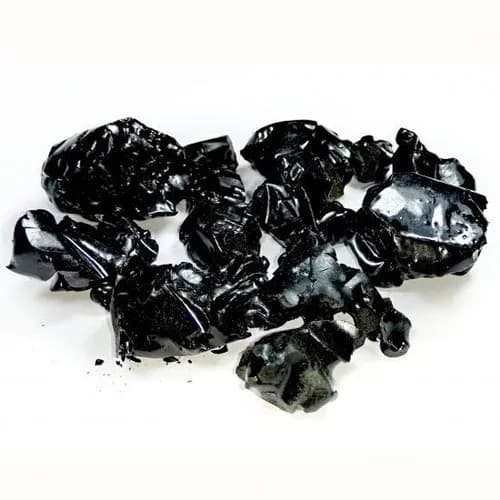
Silajit, also commonly written as shilajit, is a dark brown to black resin-like substance traditionally used in Ayurveda and South Asian wellness practices. It is associated with Himalayan regions and is commonly sold as resin, powder, capsules and tablets.
People search for silajit because of claims related to energy, stamina, testosterone, male fertility, exercise performance, minerals and general wellness. However, scientific evidence is still limited, and silajit should not be considered a proven cure for any disease.
A healthy routine is not based on one supplement alone. Along with speaking with a qualified healthcare professional, focus on balanced, minimally processed foods such as pulses, whole grains, seeds, spices and natural ingredients. You can explore Nepal-sourced foods on the Anupam Prakriti organic Himalayan food store or browse the complete Anupam Prakriti organic products collection.
What Is Silajit?
Silajit is a naturally occurring, dark resin-like material that seeps from rocks in mountainous regions. It contains a complex mixture of organic substances, humic compounds, fulvic acid and varying amounts of minerals.
In Nepal and South Asia, silajit has traditionally been used as a rejuvenating and strengthening substance. Today, it is marketed in different forms for men’s wellness, energy, exercise support and general health.
The quality and composition of silajit can vary considerably. Its origin, collection method, purification process, storage and laboratory testing all affect the final product.
Silajit Meaning and Other Names
“Silajit” is a common spelling used in Nepal and South Asia. “Shilajit” is more common in international research and supplement markets. In some regions, it is also called mumiyo or mumie.
- Silajit: Common spelling in Nepal and South Asia.
- Shilajit: Common English and international spelling.
- Mumiyo or Mumie: Names used in some regional and traditional references.
- Himalayan shilajit: A common marketing term for products associated with Himalayan sourcing.
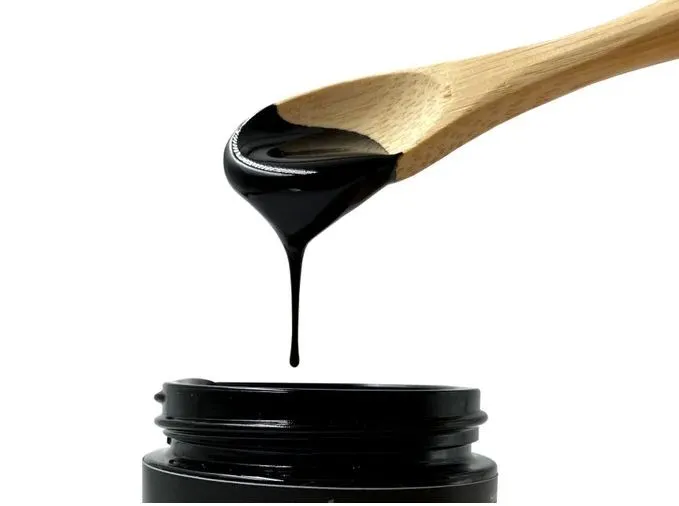
- Shilajit resin: The thick, semi-solid form commonly dissolved in water or milk.
What Minerals Can We Find in Silajit?
The exact mineral content of silajit varies by region and product. Depending on the source and laboratory analysis, silajit may contain minerals such as iron, magnesium, potassium, calcium, zinc, copper, manganese and selenium.
Silajit may also contain fulvic acid and other humic substances. These compounds are frequently discussed in scientific research and supplement marketing.
| Compound or Mineral | Important Information |
|---|---|
| Fulvic acid | One of the most commonly discussed compounds in shilajit research. |
| Iron | May occur in mineral analysis, but excessive iron can be harmful for some people. |
| Magnesium | A mineral sometimes reported in shilajit analysis. |
| Potassium and calcium | May be present in varying quantities depending on origin and processing. |
| Zinc, copper and manganese | Trace minerals that require product-specific laboratory verification. |
| Lead, arsenic, mercury, cadmium and thallium | Potential contaminants that should be tested before consumption. |
A product label that simply says “mineral-rich” does not prove purity or safety. For better confidence, ask the seller for a batch-specific Certificate of Analysis showing heavy-metal and microbial testing.
Benefits of Silajit
Silajit is associated with several traditional and modern supplement claims. Some small studies have reported possible benefits, but the overall evidence remains limited.
Possible Support for Testosterone
A small human study found that purified shilajit supplementation was associated with increases in total testosterone and DHEAS in healthy volunteers. This does not prove that every silajit product increases testosterone, and it should not replace medical testing or treatment for hormonal problems.
Exercise Performance and Fatigue
Some early research suggests that purified shilajit may support exercise performance or reduce fatigue-related decline in strength. More independent and larger human studies are required.
Bone Health
One controlled study reported possible bone-density-related benefits in postmenopausal women with osteopenia. This does not mean silajit can replace calcium, vitamin D, exercise or prescribed treatment for bone disease.
Antioxidant and Anti-Inflammatory Activity
Fulvic acid and other shilajit compounds have shown antioxidant or anti-inflammatory activity in laboratory research. Laboratory findings do not automatically prove the same effect in humans.
Energy and General Wellness
Energy and stamina are among the most common traditional and commercial claims. Some people report feeling more energetic, but individual experiences are not the same as strong clinical proof.
For day-to-day nutrition, natural foods such as lentils, beans, millet, buckwheat flour, sesame, turmeric, local honey and whole grains can be part of a balanced diet. Browse organic foods from Anupam Prakriti for Nepal-sourced pantry essentials.
What Benefits of Silajit Are Proven?
The safest answer is that no broad health benefit of silajit is proven strongly enough to treat or cure disease. Small studies have produced promising findings related to testosterone, exercise fatigue and bone-health markers, but more high-quality human research is needed.
- Do not claim that silajit cures infertility.
- Do not claim that it cures diabetes or cancer.
- Do not claim guaranteed testosterone increases.
- Do not claim that it prevents Alzheimer’s disease.
- Do not use silajit instead of prescribed medicine.
How to Eat Silajit Resin
Silajit resin is commonly dissolved in warm water or warm milk. The correct amount depends on the product’s concentration and label instructions.
- Use only a purified and labelled product.
- Measure the recommended serving carefully.
- Dissolve it in warm water or warm milk.
- Consume it according to the label directions.
- Stop use if you experience an unusual reaction.
Can You Take Silajit With Milk?
Yes, many traditional users mix silajit resin with warm milk. This is a common preparation method, but it is not proven to make silajit more effective than water.
Can You Take Silajit With Water?
Yes, silajit resin can commonly be dissolved in warm water. Use clean water and follow the manufacturer’s instructions.
Silajit Dosage
There is no universal dosage that is officially established as safe and effective for everyone. Some studies have used approximately 300 to 500 mg per day, but different products can vary in strength and purity.
Do not copy the dosage used by another person or increase the dose for faster results. Always follow the product label and ask a healthcare professional if you take regular medicines.
Silajit Side Effects and Safety
Purification is one of the most important safety factors. Raw or poorly processed silajit may contain lead, arsenic, mercury, cadmium, thallium, microbes or fungal contamination.
Possible Side Effects
- Stomach discomfort.
- Nausea or diarrhoea.
- Headache or dizziness.
- Skin rash or allergic reaction.
- Possible effects on blood pressure or blood sugar.
- Unknown interaction with prescription medicines.
- Heavy-metal toxicity from contaminated products.
Who Should Avoid Silajit Without Medical Advice?
- Pregnant or breastfeeding people.
- Children and teenagers.
- People with kidney or liver disease.
- People with iron-overload conditions.
- People taking blood pressure, blood sugar or hormone medicines.
- People with known allergies to supplement ingredients.
How to Choose Original Silajit in Nepal
The phrase “original silajit” is widely used online, but a home test cannot reliably prove purity. Buyers should check the product label, company details and laboratory documents.
- Look for a batch number.
- Check manufacturing and expiry dates.
- Ask for a Certificate of Analysis.
- Check heavy-metal testing.
- Check microbial testing.
- Review the full ingredient list.
- Check the recommended serving size.
- Avoid products making guaranteed disease-cure claims.
- Buy from a seller that provides clear customer support.
- Compare price per gram instead of only comparing jar prices.
Mato Premium Himalayan Shilajit
Mato markets its product as Premium Himalayan Shilajit High Fulvic Acid Grade A Resin. Its product page describes the resin as Himalayan-sourced and discusses fulvic acid, humic substances, minerals, purification and laboratory testing.
Mato also presents claims that its product is authentic, purified, lab-tested and free from heavy metals. These should be treated as manufacturer claims until customers review a current, batch-specific Certificate of Analysis.
Silajit Price in Nepal
Silajit price in Nepal depends on the form, quantity, claimed origin, purification, fulvic-acid content, laboratory testing and seller reputation. Resin, capsules, powder and blended products may have very different prices.
A higher price does not automatically prove purity, and a lower price does not automatically prove that a product is fake. The best comparison is price per gram together with verified quality documents.
| Price Factor | Why It Matters |
|---|---|
| Product form | Resin, capsules and powder have different manufacturing and packaging costs. |
| Net quantity | Compare the cost per gram, not only the total jar price. |
| Purification | Processing and quality control may affect cost. |
| Laboratory testing | Testing for heavy metals and microbes improves transparency. |
Silajit Photo and Image Ideas
For the keywords silajit photo and silajit image, use original product photography instead of copied images. Good images can improve trust and help customers understand the product.
- Dark silajit resin inside a sealed glass jar.
- A measured resin portion beside a small spoon.
- Silajit dissolving in warm water.
- Product packaging with batch number and expiry date visible.
- Certificate of Analysis beside the product.
- Himalayan landscape used only as general sourcing context.
Frequently Asked Questions
What is silajit?
Silajit is a dark resin-like natural substance traditionally used in Ayurveda. It contains humic substances, fulvic acid and varying mineral content.
What minerals are found in silajit?
Silajit may contain iron, magnesium, potassium, calcium, zinc, copper and manganese. The exact mineral profile varies by product and can only be confirmed through laboratory testing.
What are the benefits of silajit?
Small studies suggest possible support for testosterone, fatigue, exercise performance and bone-health markers. The evidence is limited, and silajit is not a proven treatment for disease.
How do you eat silajit?
Silajit resin is commonly dissolved in warm water or warm milk. Follow the product label and do not exceed the recommended serving.
What is the silajit price in Nepal?
Silajit price in Nepal varies according to quantity, form, brand, purification, laboratory testing and seller. Compare price per gram and check quality documents.
Is silajit safe?
Purified and tested silajit may be tolerated by many adults when used as directed, but raw or contaminated products can contain heavy metals and microbes.
Is Mato shilajit lab tested?
Mato states on its product page that its shilajit is lab-tested and heavy-metal-free. Buyers should review the latest batch-specific Certificate of Analysis before use.
Final Thoughts
Silajit is a traditional Himalayan resin supplement that is widely discussed for energy, stamina, minerals, testosterone and general wellness. Some early research is promising, but strong evidence remains limited.
If you decide to use silajit in Nepal, choose a purified and clearly labelled product with batch information and credible laboratory testing. Do not use it as a replacement for prescribed treatment, a balanced diet or professional medical advice.
For natural pantry ingredients and organic foods sourced from Nepal’s Himalayan farming regions, explore the Anupam Prakriti homepage or shop organic products online.